
The Importance of Sustainable Design in Smart Homes

 By Maya Angelou |
 5 min read
|14 Nov 2025Smart homes are at the forefront of modern living, integrating technology to enhance convenience, efficiency, and security. However, the true potential of smart homes is realized when they embrace sustainable design principles. This approach not only enhances the functionality of smart homes but also contributes to environmental preservation and energy efficiency. In this article, we explore the significance of incorporating sustainable design into smart homes and the benefits it brings.
Energy Efficiency Through Smart Technology
One of the core advantages of smart homes is their ability to optimize energy use through advanced technology. Smart thermostats, lighting systems, and appliances can be programmed to operate efficiently, reducing unnecessary energy consumption. For example, smart thermostats learn user preferences and adjust heating and cooling settings accordingly, minimizing energy waste. Additionally, smart lighting systems can be automated to turn off when not in use or adjust based on natural light levels, further conserving energy.
Integration of Renewable Energy Sources
Sustainable smart homes often incorporate renewable energy sources, such as solar panels and wind turbines. These systems can generate clean energy on-site, reducing reliance on non-renewable power sources and lowering utility bills. Smart home technology integrates with renewable energy systems to manage and optimize energy production and consumption. For instance, smart grids and energy management systems can store excess energy generated from solar panels for later use, ensuring a consistent power supply and reducing the home's carbon footprint.
Water Conservation and Smart Technologies
Water conservation is another important aspect of sustainable design in smart homes. Smart irrigation systems, for example, use weather data and soil moisture levels to optimize watering schedules, preventing overwatering and reducing water waste. Similarly, smart fixtures and appliances, such as low-flow faucets and water-efficient dishwashers, contribute to water conservation efforts. By integrating these technologies, smart homes can significantly reduce water consumption and contribute to sustainable resource management.
Sustainable Materials and Construction Practices
The use of sustainable materials and construction practices is crucial in the design of smart homes. Eco-friendly building materials, such as recycled or rapidly renewable resources, contribute to a home's sustainability. Additionally, incorporating energy-efficient construction techniques, such as proper insulation and high-performance windows, enhances the overall efficiency of the home. Sustainable design principles also extend to the interior, where materials like low-VOC paints and non-toxic finishes improve indoor air quality and contribute to a healthier living environment.
Indoor Air Quality and Health Benefits
Sustainable design in smart homes goes beyond energy and water efficiency to address indoor air quality and health. Smart ventilation systems, equipped with air quality sensors, can monitor and improve indoor air quality by adjusting ventilation rates and filtering out pollutants. This focus on air quality contributes to a healthier living environment, reducing the risk of respiratory issues and enhancing overall well-being. Additionally, incorporating natural elements, such as indoor plants and green walls, can further improve air quality and provide psychological benefits.
Economic Advantages and Long-Term Savings
Investing in sustainable design for smart homes can lead to significant economic advantages and long-term savings. Energy and water-efficient systems reduce utility bills, while the use of renewable energy sources can further decrease energy costs. Additionally, sustainable design can increase the value of a home, making it more attractive to potential buyers. The integration of smart technologies not only enhances convenience but also contributes to cost savings and a more sustainable lifestyle.
Conclusion
The importance of sustainable design in smart homes cannot be overstated. By integrating energy-efficient technologies, renewable energy sources, water conservation measures, and sustainable materials, smart homes can achieve a higher level of efficiency and environmental responsibility. These design principles not only contribute to cost savings and enhanced comfort but also support broader sustainability goals. As smart home technology continues to advance, the integration of sustainable design will play a critical role in shaping the future of residential living, ensuring that homes are not only smart but also environmentally conscious and resilient.
RECENT POSTS
1
The Most Exclusive Luxury Apartments
3 min read | 12 Nov 20252
Luxury Living and the Importance of Acoustics
2 min read | 11 Nov 20253
How to Incorporate Nature into Luxury Living Spaces
2 min read | 10 Nov 20254
Luxury Living in Historic Cities
4 min read | 09 Nov 20255
The Best Luxury Real Estate Agents
5 min read | 08 Nov 20256
Luxury Living and High-End Lighting Solutions
4 min read | 07 Nov 2025MORE POSTS
Investing in Luxury Real Estate: What You Need to Know
2 min read | 18 Sep 2025
How to Achieve a High-End Look with Budget-Friendly Decor
2 min read | 26 Sep 2025
The Role of Biomimicry in Sustainable Architecture
4 min read | 01 Oct 2025
Sustainable Design Solutions for Water Conservation
4 min read | 23 Sep 2025
The Best Furniture for Maximizing Storage in Small Rooms
5 min read | 11 Oct 2025
The Best Luxury Living Communities in the USA
4 min read | 23 Sep 2025MORE ARTICLES

5 min read | 13 Dec 2025
Budget-Friendly Furniture Hacks: Transforming Your Home on a Dime
Transforming your home doesn’t have to break the bank. With some creativity and a little effort, you can achieve stunning results using budget-friendly furniture hacks. Here are some innovative ideas to elevate your space without spending a fortune.
5 min read | 12 Dec 2025
How to Choose the Right Furniture for Small Spaces
Choosing the right furniture for small spaces can be a daunting task. It requires a thoughtful approach to ensure that the pieces you select enhance the space rather than overwhelm it. Here are some key tips to help you make informed decisions when furnishing a compact area, ensuring that it remains stylish and functional.

4 min read | 11 Dec 2025
The Best Accessories to Elevate Your Living Space
Accessorizing your living space is an essential step in creating a home that reflects your personal style and enhances its overall ambiance. The right accessories can transform a simple room into a stunning space that feels both inviting and stylish. Here’s a guide to the best accessories that will elevate your living space, making it uniquely yours.

4 min read | 10 Dec 2025
10 Must-Have Furniture Pieces for a Stylish Home
Creating a stylish home goes beyond aesthetics; it’s about comfort, functionality, and personal expression. Certain furniture pieces can serve as the foundation of your decor while enhancing the overall ambiance of your living space. Here are ten must-have furniture pieces that will help you achieve a stylish and functional home.
4 min read | 09 Dec 2025
Furniture Care Tips: How to Maintain and Protect Your Pieces
Proper care and maintenance of furniture not only extend its lifespan but also ensure that it continues to look its best. Whether you have wooden, upholstered, or metal pieces, understanding how to protect and care for them is crucial. Here are some essential tips to help you maintain and protect your furniture.
4 min read | 08 Dec 2025
Creating a Stylish Entryway with the Right Furniture and Accessories
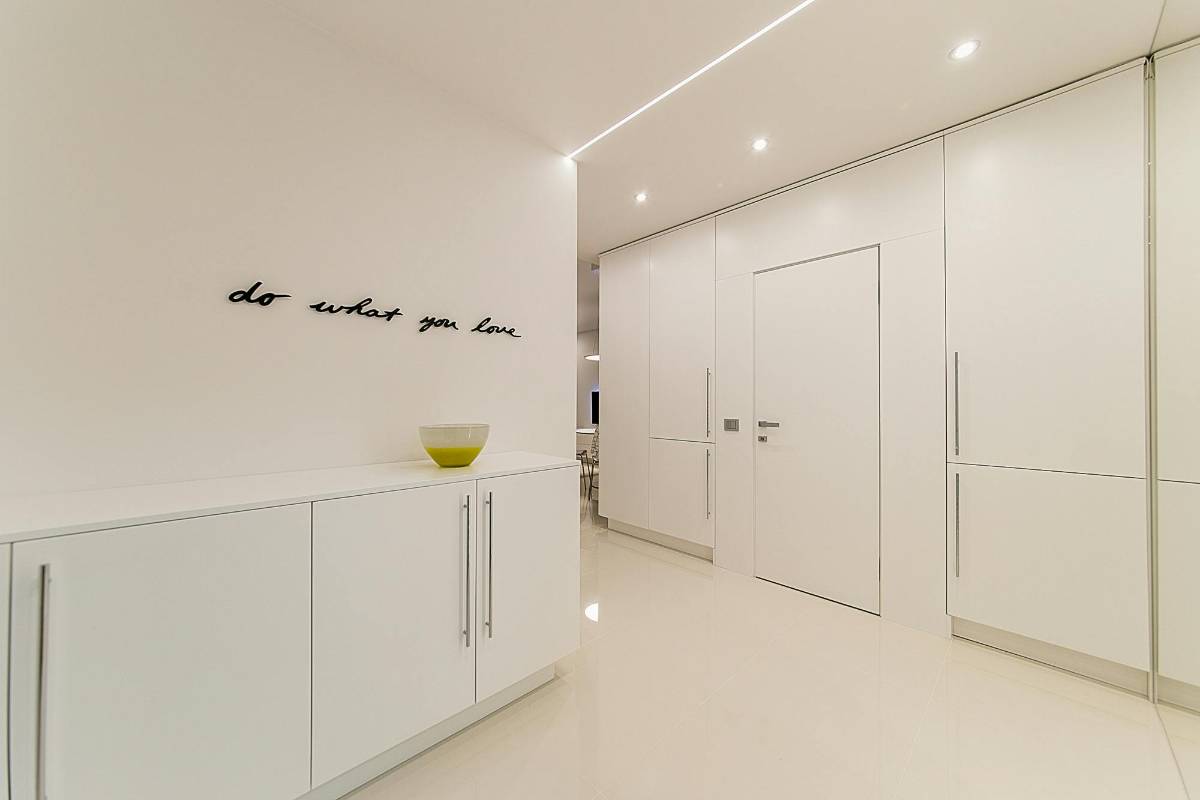
The entryway is the first impression of your home, setting the tone for the rest of the space. Creating a stylish and functional entryway involves selecting the right furniture and accessories to make it both welcoming and practical. Here’s how to design an entryway that reflects your style and meets your needs.