
How to Incorporate Nature into Luxury Living Spaces
 By Maya Angelou |
 5 min read
|10 Nov 2025Incorporating nature into luxury living spaces creates a harmonious blend of elegance and tranquility. By integrating natural elements, you can enhance the aesthetic appeal of your home while promoting a sense of well-being. This article explores various ways to bring the beauty of nature into luxury living environments, from biophilic design principles to incorporating natural materials and greenery.
Biophilic Design Principles
Biophilic design is an approach that seeks to connect people with nature through the built environment. It emphasizes creating spaces that enhance mental and physical well-being by integrating natural elements and processes. In luxury living spaces, biophilic design principles can be applied in several ways:
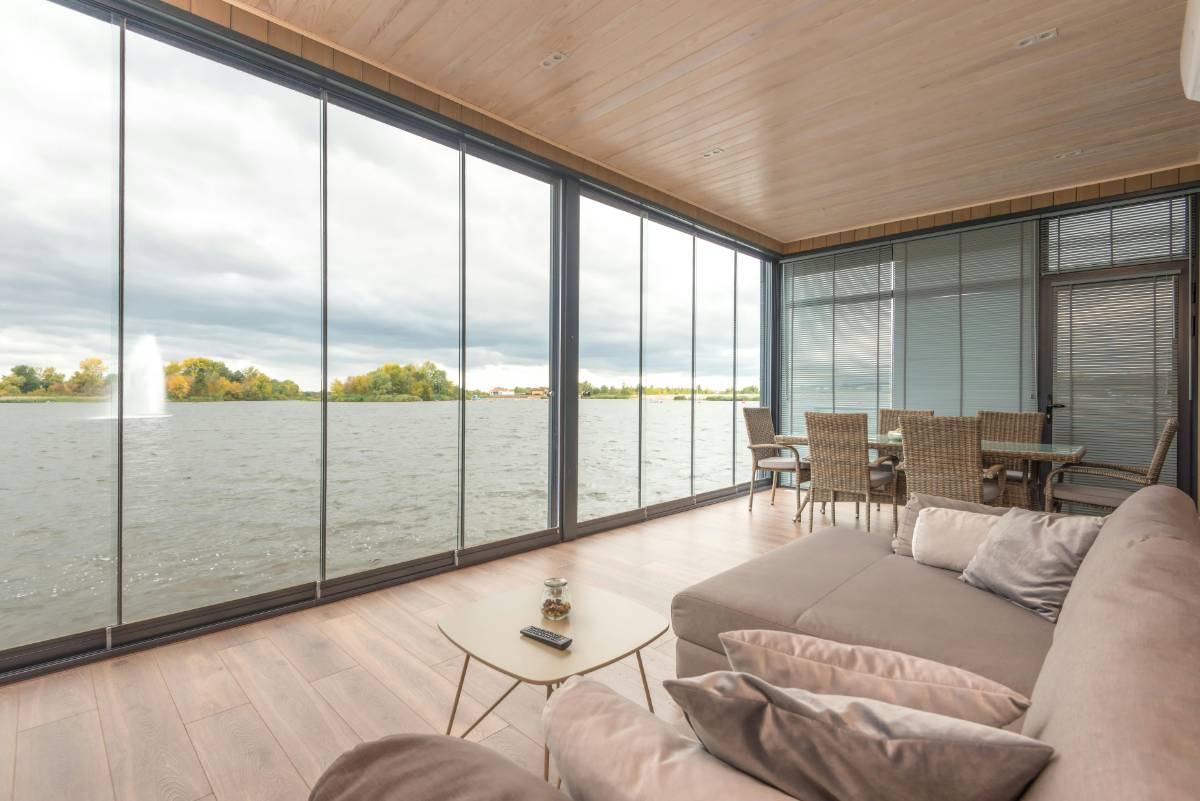
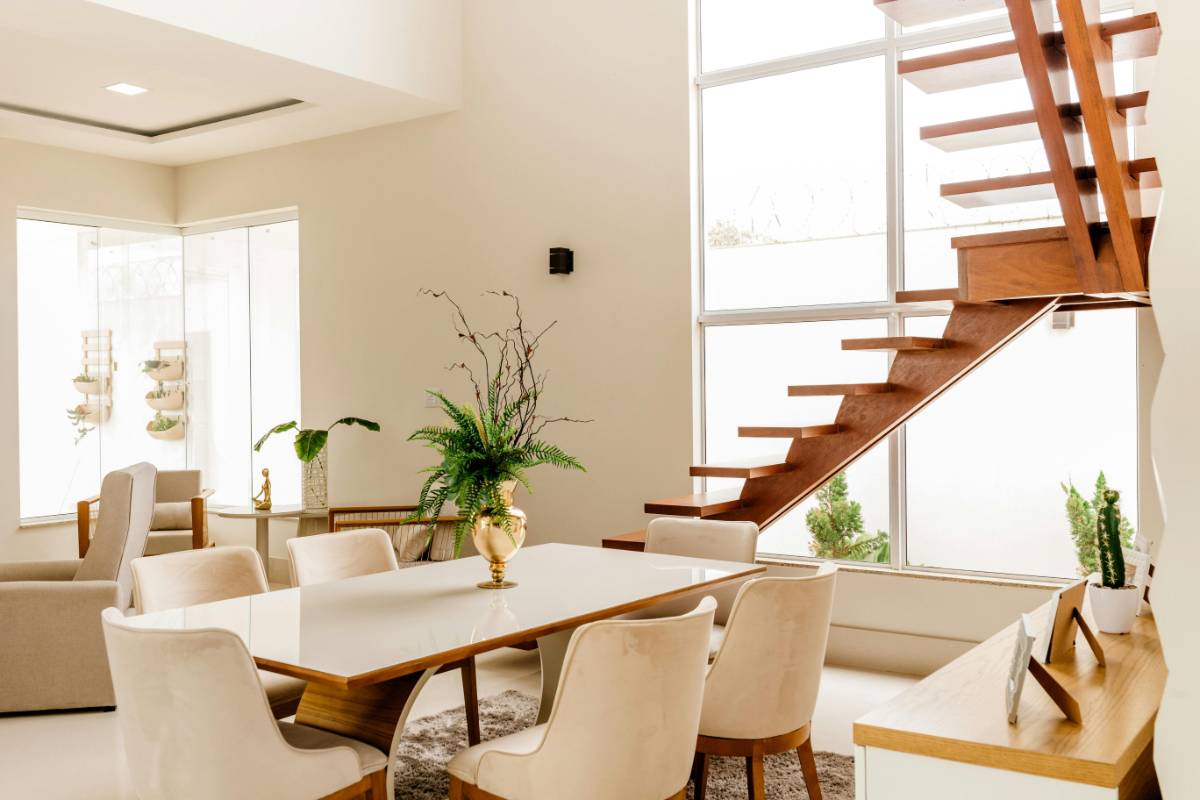
Natural Light: Maximizing natural light is one of the fundamental aspects of biophilic design. Large windows, skylights, and glass doors allow ample sunlight to flood the interior, creating a bright and inviting atmosphere. Natural light not only improves mood but also highlights the beauty of natural materials and outdoor views.
Indoor Plants: Incorporating indoor plants adds a touch of nature to your living spaces. Choose plants that thrive indoors and complement your interior design. Options like fiddle leaf figs, orchids, and peace lilies can enhance the aesthetics while improving air quality and adding a sense of tranquility.
Water Features: Water elements such as indoor fountains or small ponds can introduce a calming, soothing ambiance to luxury living spaces. The sound of flowing water creates a serene environment and enhances the overall sensory experience. Integrating water features into living areas, entryways, or gardens adds a luxurious touch while connecting you with nature.
Natural Materials
Using natural materials in luxury living spaces adds texture, warmth, and a sense of organic beauty. Here are some ways to incorporate natural materials into your home design:
Wood: Wood is a versatile material that brings warmth and sophistication to any space. Use it for flooring, wall panels, furniture, or decorative accents. High-quality hardwoods like oak, walnut, and mahogany can create a timeless, elegant look that complements both traditional and contemporary designs.
Stone: Stone materials, such as marble, granite, and limestone, add a sense of luxury and permanence. Incorporate stone into flooring, countertops, fireplaces, or feature walls. The natural veining and texture of stone provide a unique and sophisticated aesthetic, enhancing the overall opulence of your living space.
Textiles: Natural textiles like wool, cotton, linen, and silk can add a touch of luxury and comfort. Use these materials for upholstery, curtains, rugs, and throw pillows. Their tactile qualities and natural colors can enhance the ambiance and create a cozy, inviting environment.
Designing with Greenery
Greenery plays a crucial role in connecting indoor spaces with the natural world. Here are some design strategies for incorporating greenery into luxury living spaces:
Vertical Gardens: Vertical gardens or living walls are a stunning way to integrate greenery into your home. These installations use a variety of plants arranged on wall-mounted structures, creating a lush, vibrant focal point. Vertical gardens can be installed in living rooms, entryways, or even bathrooms to bring a touch of nature into any space.
Potted Plants: Strategically placed potted plants can enhance the beauty of luxury interiors. Use elegant planters in materials like ceramic, marble, or metal to complement your decor. Arrange plants in clusters or as standalone features to add greenery and visual interest to different areas of your home.
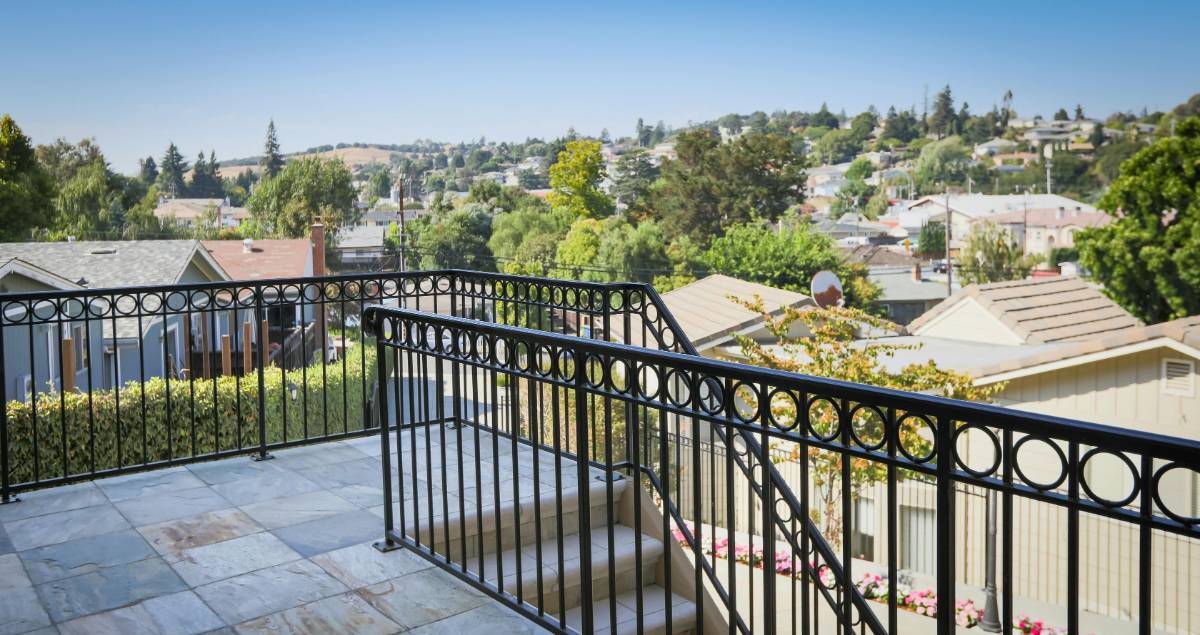
Outdoor Spaces: Extending your living space to the outdoors can create a seamless connection with nature. Design outdoor areas such as terraces, balconies, or gardens to include comfortable seating, lush landscaping, and water features. These spaces provide a private retreat where you can relax and enjoy the natural surroundings.
Incorporating Nature in Luxury Design
To successfully integrate nature into luxury living spaces, consider the following design approaches:
Harmonious Color Palettes: Use color schemes inspired by nature to create a cohesive and soothing environment. Earthy tones such as greens, browns, and neutrals can evoke the natural world and complement natural materials and greenery. Incorporate these colors into walls, furnishings, and accessories to enhance the connection with nature.
Views and Connectivity: Design your living spaces to maximize views of the outdoors. Arrange furniture and layout to take advantage of natural vistas and create a sense of openness. Large windows, glass doors, and strategically placed mirrors can help bring the outside in and create a seamless flow between indoor and outdoor areas.
Sustainable Practices: Incorporate sustainable practices into your luxury design to support environmental stewardship. Choose eco-friendly materials, energy-efficient lighting, and low-impact construction methods. Sustainable design not only benefits the environment but also aligns with the principles of luxury living by promoting a healthier and more responsible lifestyle.
Conclusion
Incorporating nature into luxury living spaces enhances both the aesthetic appeal and the overall well-being of residents. By embracing biophilic design principles, using natural materials, and integrating greenery, you can create a harmonious and sophisticated environment that reflects the beauty of the natural world. Whether through elegant woodwork, serene water features, or lush indoor plants, connecting your home with nature adds a touch of luxury and tranquility that elevates the living experience.
RECENT POSTS
1
Top 10 Luxury Destinations for Travel in 2024
2 min read | 08 Dec 20252
Inside the Most Lavish Celebrity Homes: A Tour of Luxury Living
4 min read | 07 Dec 20253
Private Chefs, Personal Stylists, and More: The Perks of Modern Luxury Living
5 min read | 06 Dec 20254
The Evolution of Luxury Cars: What Defines a Supercar in 2024
3 min read | 05 Dec 20255
Luxury Gadgets You Didn’t Know You Needed in Your Home
4 min read | 04 Dec 20256
Collecting Art for Your Mansion: A Beginner’s Guide to Masterpieces
2 min read | 03 Dec 2025MORE POSTS
The Benefits of Sustainable Landscaping in Urban Areas
3 min read | 20 Sep 2025
How to Incorporate Sustainable Design in Home Renovations
2 min read | 19 Sep 2025
Sustainable Design Trends in Residential Architecture
4 min read | 18 Sep 2025
The Impact of Sustainable Design on Real Estate Value
2 min read | 17 Sep 2025
Sustainable Design: Balancing Functionality and Eco-Friendliness
2 min read | 16 Sep 2025
The Future of Green Building Technologies
2 min read | 15 Sep 2025MORE ARTICLES
4 min read | 31 Dec 2025
Eco-Friendly Architecture: How Sustainable Buildings Are Changing Cities
Sustainable architecture is transforming urban landscapes, integrating eco-conscious solutions that enhance efficiency and reduce environmental impact. Here’s how sustainable buildings are reshaping cities around the world.

5 min read | 30 Dec 2025
The Future of Sustainable Design: Innovations Shaping Tomorrow
Sustainable design is revolutionizing the way we live, creating eco-friendly solutions that prioritize efficiency and environmental responsibility. Here are the key innovations shaping the future of sustainable design.
3 min read | 29 Dec 2025
Educating the Next Generation: The Importance of Sustainable Design in Schools
Sustainable design in schools is not just a trend; it is an essential movement aimed at creating healthier learning environments while promoting ecological awareness among students. As the next generation faces the pressing challenges of climate change and resource depletion, it becomes increasingly important to integrate sustainable practices into educational institutions. This article explores the significance of sustainable design in schools and its role in shaping environmentally conscious citizens.
3 min read | 28 Dec 2025
The Intersection of Art and Sustainability in Modern Design
In recent years, the integration of art and sustainability in modern design has gained significant momentum. As awareness of environmental issues increases, designers, artists, and consumers alike are seeking ways to create and appreciate art that not only beautifies spaces but also respects and protects the planet. This article explores how the intersection of art and sustainability is shaping modern design, highlighting innovative practices and inspiring examples.

5 min read | 27 Dec 2025
How to Choose Sustainable Products for Your Home Decor
Choosing sustainable products for your home decor is not only beneficial for the environment but also enhances the aesthetic and health of your living space. As consumers become more aware of their choices, it's essential to understand how to select eco-friendly options that align with your values. This article provides practical tips for selecting sustainable products for your home decor while maintaining a stylish and inviting atmosphere.
5 min read | 26 Dec 2025
Sustainable Design in the Hospitality Industry: Eco-Friendly Hotels and Resorts
As the world becomes increasingly aware of environmental issues, the hospitality industry is responding with a growing focus on sustainable design. Eco-friendly hotels and resorts are leading the charge, providing travelers with luxurious accommodations that also prioritize environmental responsibility. This article explores some of the most innovative sustainable design practices being implemented in the hospitality sector, showcasing how these establishments are creating a harmonious balance between luxury and eco-consciousness.