
Sustainable Urban Planning: Designing for Future Generations

 By Maya Angelou |
 3 min read
|27 Nov 2025Sustainable urban planning is essential for creating resilient, efficient, and livable cities that meet the needs of both current and future generations. By integrating principles of sustainability into urban design, planners and developers can address environmental challenges, enhance quality of life, and promote long-term urban resilience. This article explores key strategies and considerations for sustainable urban planning.
Principles of Sustainable Urban Planning
Sustainable urban planning involves designing cities that balance environmental, economic, and social factors. Key principles include reducing carbon emissions, conserving resources, promoting social equity, and enhancing the quality of life for residents. By incorporating these principles into urban design, cities can achieve greater sustainability and resilience in the face of future challenges.
Mixed-Use Development
Mixed-use development is a fundamental strategy in sustainable urban planning. By combining residential, commercial, and recreational spaces within close proximity, mixed-use developments reduce the need for long commutes and promote walkability. This approach encourages vibrant, diverse communities and helps lower transportation emissions while creating more efficient land use.
Green Infrastructure
Green infrastructure refers to the integration of natural systems and processes into urban environments. This includes elements such as green roofs, urban parks, and rain gardens that provide ecological benefits, improve air and water quality, and enhance urban aesthetics. Green infrastructure helps manage stormwater, reduce heat islands, and support biodiversity, contributing to a more sustainable and resilient urban landscape.
Energy-Efficient Buildings
Energy-efficient buildings are crucial for reducing the overall energy consumption of cities. Incorporating energy-saving features such as high-performance insulation, energy-efficient windows, and renewable energy systems can significantly lower greenhouse gas emissions. Sustainable urban planning also involves implementing energy-efficient building codes and standards to ensure that new and renovated buildings contribute to the city’s energy goals.
Sustainable Transportation
Promoting sustainable transportation options is a key component of sustainable urban planning. This includes developing extensive public transit networks, creating bike-friendly infrastructure, and encouraging walking through pedestrian-friendly design. By providing alternative transportation options, cities can reduce reliance on private vehicles, decrease traffic congestion, and lower emissions, all of which contribute to a more sustainable urban environment.
Affordable Housing
Affordable housing is an important aspect of sustainable urban planning. Ensuring that all residents have access to safe, affordable, and high-quality housing contributes to social equity and community stability. Sustainable urban planning involves creating mixed-income neighborhoods and implementing policies that support affordable housing development, helping to address issues of inequality and housing scarcity.
Climate Resilience
Designing for climate resilience is essential in the face of increasing environmental challenges. Sustainable urban planning includes strategies for mitigating the impacts of climate change, such as incorporating flood-resistant infrastructure, designing for extreme weather events, and enhancing urban heat resilience. By planning for climate resilience, cities can better protect their infrastructure and residents from the effects of climate-related risks.
Community Engagement
Engaging the community in the urban planning process ensures that development meets the needs and preferences of residents. Public participation helps identify local priorities, gather input on design proposals, and build support for sustainable initiatives. By involving community members in decision-making, cities can create more inclusive and effective urban planning solutions that reflect the values and needs of their residents.
Conclusion
Sustainable urban planning is crucial for designing cities that are resilient, efficient, and capable of supporting future generations. By integrating principles of sustainability, promoting mixed-use development, and focusing on green infrastructure and energy efficiency, urban planners can create vibrant and sustainable communities. Addressing challenges such as climate change, transportation, and affordable housing ensures that urban environments are prepared for the future while enhancing the quality of life for all residents.
RECENT POSTS
1
The Most Expensive Luxury Homes on the Market
3 min read | 07 Oct 20252
How to Choose the Perfect Luxury Furniture
2 min read | 06 Oct 20253
Luxury Living in the Mountains: Top Alpine Properties
4 min read | 05 Oct 20254
The Impact of Globalization on Luxury Living
3 min read | 04 Oct 20255
Luxury Living and High-End Kitchens
4 min read | 03 Oct 20256
The Most Extravagant Celebrity Homes
4 min read | 02 Oct 2025MORE POSTS

How to Incorporate Vintage Furniture into Modern Decor
4 min read | 22 Sep 2025
Key Principles of Eco-Friendly Building Practices
4 min read | 11 Sep 2025
The Role of Biomimicry in Sustainable Architecture
2 min read | 01 Oct 2025
The Best Furniture for Maximizing Storage in Small Rooms
4 min read | 11 Oct 2025
Affordable Outdoor Decor Ideas for Your Patio
2 min read | 08 Oct 2025
How to Incorporate Fine Art into Your Luxury Living Space
4 min read | 28 Sep 2025MORE ARTICLES

5 min read | 30 Dec 2025
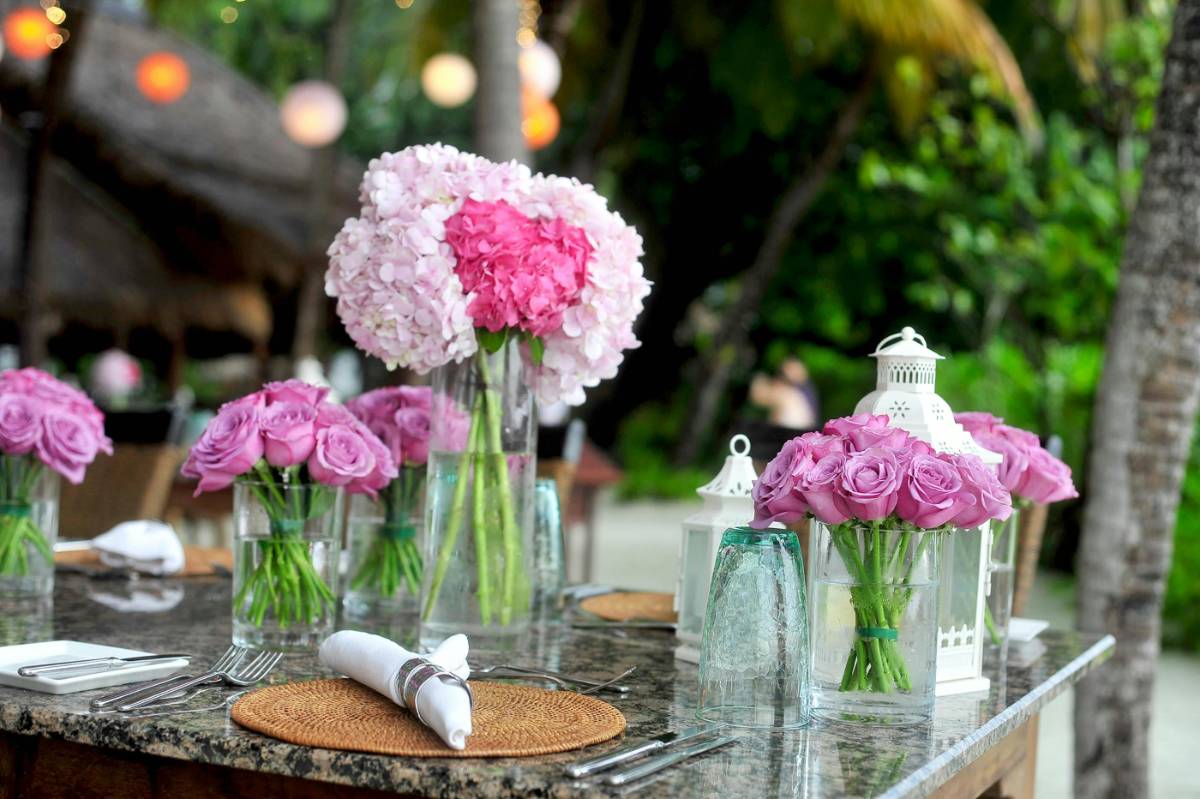
Sustainable Design in Furniture: Top Trends and Tips
Sustainable design in furniture is gaining momentum as more people seek eco-friendly solutions for their homes. By focusing on sustainability, you can make choices that are both stylish and environmentally responsible. Here are some top trends and tips for incorporating sustainable design into your furniture.
4 min read | 29 Dec 2025
Affordable Yet Elegant: High-Impact Budget Decor Ideas
Achieving an elegant look for your home doesn’t have to be expensive. With a little creativity and smart shopping, you can create a high-impact decor that looks sophisticated and stylish without breaking the bank. Here are some budget-friendly ideas to help you elevate your space.

4 min read | 28 Dec 2025
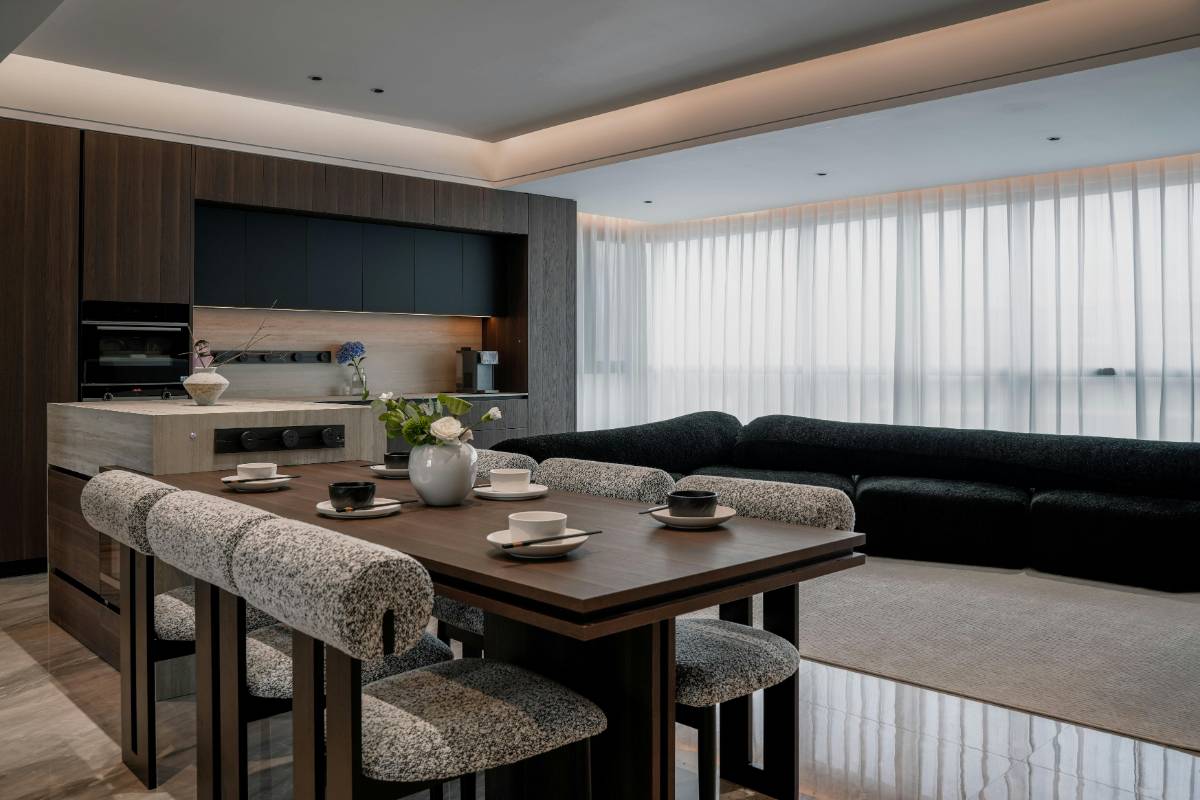
Eco-Conscious Accessories: Elevating Your Home with Sustainable Choices
Incorporating eco-conscious accessories into your home not only enhances its style but also supports sustainable living. By choosing accessories made from environmentally friendly materials, you can create a beautiful and eco-friendly space. Here are some tips for elevating your home with sustainable choices.
5 min read | 27 Dec 2025
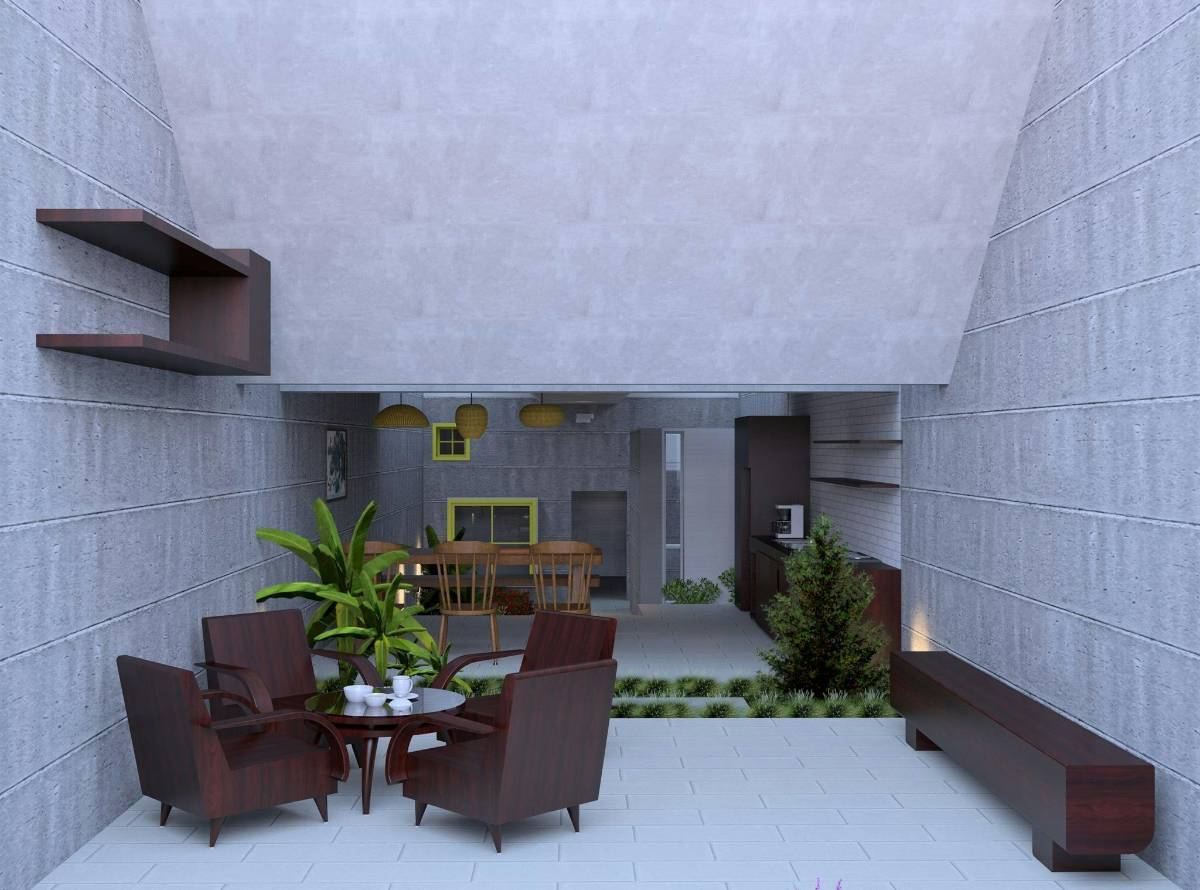
Luxury Living on a Budget: How to Achieve Opulence Without Breaking the Bank
Living luxuriously doesn't have to come with a hefty price tag. With a little creativity and strategic planning, you can achieve an opulent look for your home without overspending. Here are some tips to help you create a luxurious atmosphere on a budget.
5 min read | 26 Dec 2025
Innovative Sustainable Furniture Designs for a Greener Home
As the focus on sustainability grows, innovative furniture designs are emerging that prioritize environmental responsibility without sacrificing style. Sustainable furniture not only helps reduce your carbon footprint but also brings modern, eco-friendly aesthetics into your home. Here are some cutting-edge sustainable furniture designs to consider for a greener home.
4 min read | 25 Dec 2025
10 Budget-Friendly Decor Hacks for a Stylish Home
Decorating your home stylishly doesn’t have to be expensive. With a few clever hacks, you can enhance your space without spending a fortune. Here are ten budget-friendly decor ideas to achieve a chic and polished look for your home.