
Sustainable Design in Furniture: Top Trends and Tips

 By Maya Angelou |
 2 min read
|30 Dec 2025Sustainable design in furniture is gaining momentum as more people seek eco-friendly solutions for their homes. By focusing on sustainability, you can make choices that are both stylish and environmentally responsible. Here are some top trends and tips for incorporating sustainable design into your furniture.
Embrace Reclaimed Materials
Reclaimed materials, such as salvaged wood or repurposed metal, are becoming increasingly popular in sustainable furniture design. These materials reduce waste by giving new life to old items. Look for furniture made from reclaimed wood or metal that adds character and uniqueness to your home while supporting environmental conservation.
Opt for Eco-Friendly Materials
Choose furniture made from eco-friendly materials such as bamboo, recycled plastic, or sustainably sourced wood. Bamboo is a fast-growing, renewable resource that’s both durable and stylish. Recycled plastic furniture helps reduce waste and can be designed to mimic traditional materials while offering a modern touch.
Support Local Artisans
Supporting local artisans and craftsmen not only promotes sustainable practices but also reduces the carbon footprint associated with transporting furniture. Local artisans often use traditional techniques and sustainable materials, creating unique pieces that reflect local culture and craftsmanship.
Look for Certifications
Certifications like Forest Stewardship Council (FSC) or Global Organic Textile Standard (GOTS) indicate that furniture meets specific environmental and ethical standards. Look for these certifications when shopping for sustainable furniture to ensure that your purchases align with your eco-friendly values.
Invest in Quality and Longevity
High-quality furniture that is well-made and durable can reduce the need for replacements and minimize waste. Investing in timeless, well-crafted pieces ensures that they will last for years and remain in style. Quality furniture also means fewer resources spent on manufacturing and transportation over time.
Consider Modular and Multi-Functional Designs
Modular and multi-functional furniture designs offer flexibility and efficiency. Modular pieces can be rearranged or expanded to suit changing needs, while multi-functional furniture serves multiple purposes, reducing the need for additional items. These designs help maximize space and minimize waste.
Upcycle and Refurbish
Upcycling old furniture or refurbishing second-hand pieces is a sustainable choice that adds character to your home. By giving new life to existing items, you reduce waste and avoid contributing to the demand for new resources. Consider painting, reupholstering, or modifying old furniture to fit your current style.
Choose Non-Toxic Finishes
Opt for furniture finished with non-toxic paints, stains, and sealants. Traditional finishes often contain harmful chemicals that can affect indoor air quality. Look for low-VOC or zero-VOC finishes that are safer for both your health and the environment.
Prioritize Energy Efficiency
When selecting furniture with built-in features, prioritize energy-efficient options. For example, choose lighting fixtures with LED bulbs or furniture with integrated solar panels. These features not only contribute to sustainable design but also help reduce energy consumption in your home.
Conclusion
Sustainable design in furniture is not just a trend but a meaningful shift towards eco-friendly living. By embracing reclaimed materials, supporting local artisans, and investing in high-quality, multi-functional pieces, you can create a stylish and environmentally responsible home. Incorporating sustainable choices into your furniture selections helps reduce waste, supports ethical practices, and contributes to a greener future.
RECENT POSTS
1
Creative DIY Decor Ideas for Every Room
2 min read | 25 Sep 20252
Energy-Efficient Building Techniques in Sustainable Design
3 min read | 21 Sep 20253
Green Roofs and Their Role in Sustainable Urban Design
5 min read | 28 Sep 20254
The Importance of Indoor Air Quality in Sustainable Buildings
5 min read | 24 Sep 20255
Luxury Living in the City: The Most Exclusive Apartments
2 min read | 20 Sep 20256
Luxury Living and the Importance of Privacy
5 min read | 29 Sep 2025MORE POSTS
How to Style Your Entryway with Furniture and Accessories
5 min read | 18 Oct 2025
Tips for Choosing the Right Accent Chairs for Your Home
3 min read | 17 Oct 2025
Creative Ways to Display Art with Furniture and Accessories
3 min read | 16 Oct 2025
How to Choose the Perfect Bed Frame for Your Bedroom
5 min read | 15 Oct 2025
Accessorizing Your Dining Table for Special Occasions
3 min read | 14 Oct 2025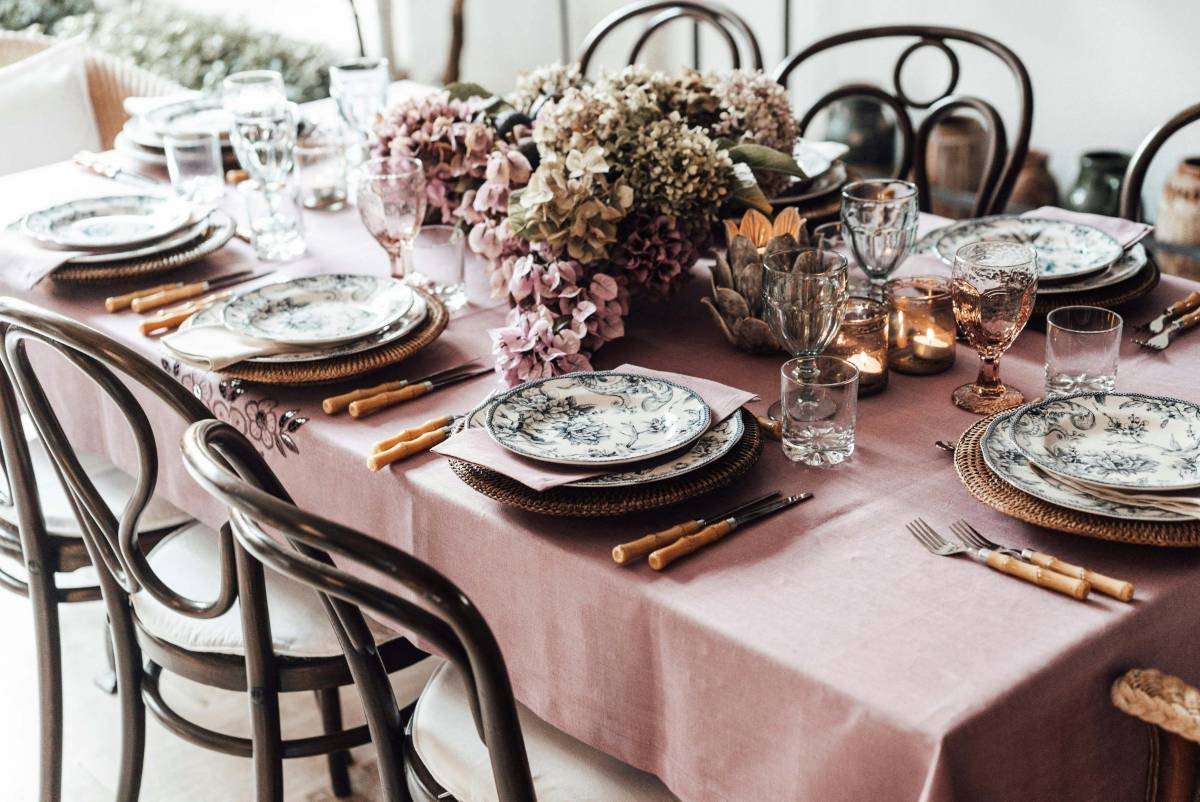
Essential Furniture for a Functional Home Office
3 min read | 13 Oct 2025MORE ARTICLES

3 min read | 15 Nov 2025
Sustainable Design for the Food and Beverage Industry
Sustainable design is becoming increasingly important in various industries, and the food and beverage sector is no exception. As consumers become more environmentally conscious, businesses are seeking ways to minimize their impact on the planet while maintaining high standards of quality and service. Sustainable design in the food and beverage industry encompasses a range of practices and strategies aimed at reducing waste, conserving resources, and promoting ethical production. In this article, we explore the key aspects of sustainable design within this industry and its benefits.

5 min read | 14 Nov 2025
The Importance of Sustainable Design in Smart Homes
Smart homes are at the forefront of modern living, integrating technology to enhance convenience, efficiency, and security. However, the true potential of smart homes is realized when they embrace sustainable design principles. This approach not only enhances the functionality of smart homes but also contributes to environmental preservation and energy efficiency. In this article, we explore the significance of incorporating sustainable design into smart homes and the benefits it brings.

5 min read | 13 Nov 2025
How Sustainable Design is Revolutionizing Sports Stadiums
Sustainable design is transforming sports stadiums, making them more environmentally friendly, resource-efficient, and economically viable. This revolution in stadium design focuses on integrating innovative technologies, materials, and practices to minimize environmental impact and enhance user experience. This article explores how sustainable design is reshaping sports stadiums, highlighting key strategies, technologies, and benefits.

2 min read | 12 Nov 2025
The Role of Community Engagement in Sustainable Design
Community engagement is a vital component in the development and success of sustainable design projects. By involving local residents and stakeholders in the planning, design, and implementation processes, projects can better meet the needs of the community, enhance environmental and social outcomes, and foster long-term support and resilience. This article explores the role of community engagement in sustainable design and highlights key strategies for effectively involving communities in the design process.

5 min read | 11 Nov 2025
Sustainable Design for Renewable Energy Infrastructure
The transition to renewable energy sources is a key component in the fight against climate change and environmental degradation. Sustainable design for renewable energy infrastructure is essential for maximizing the efficiency and impact of renewable energy projects. This article explores the principles and practices of sustainable design in the context of renewable energy infrastructure, highlighting key strategies for creating effective and environmentally responsible energy systems.

4 min read | 10 Nov 2025
The Impact of Sustainable Design on Tourism
Sustainable design is increasingly shaping the tourism industry, driven by a growing awareness of environmental and social responsibility among travelers and businesses alike. This article explores how sustainable design is impacting tourism, highlighting the benefits for destinations, travelers, and the environment.