
Tiny Homes and Minimalist Living: A Path to Sustainability

 By Ernest Hemingway |
 4 min read
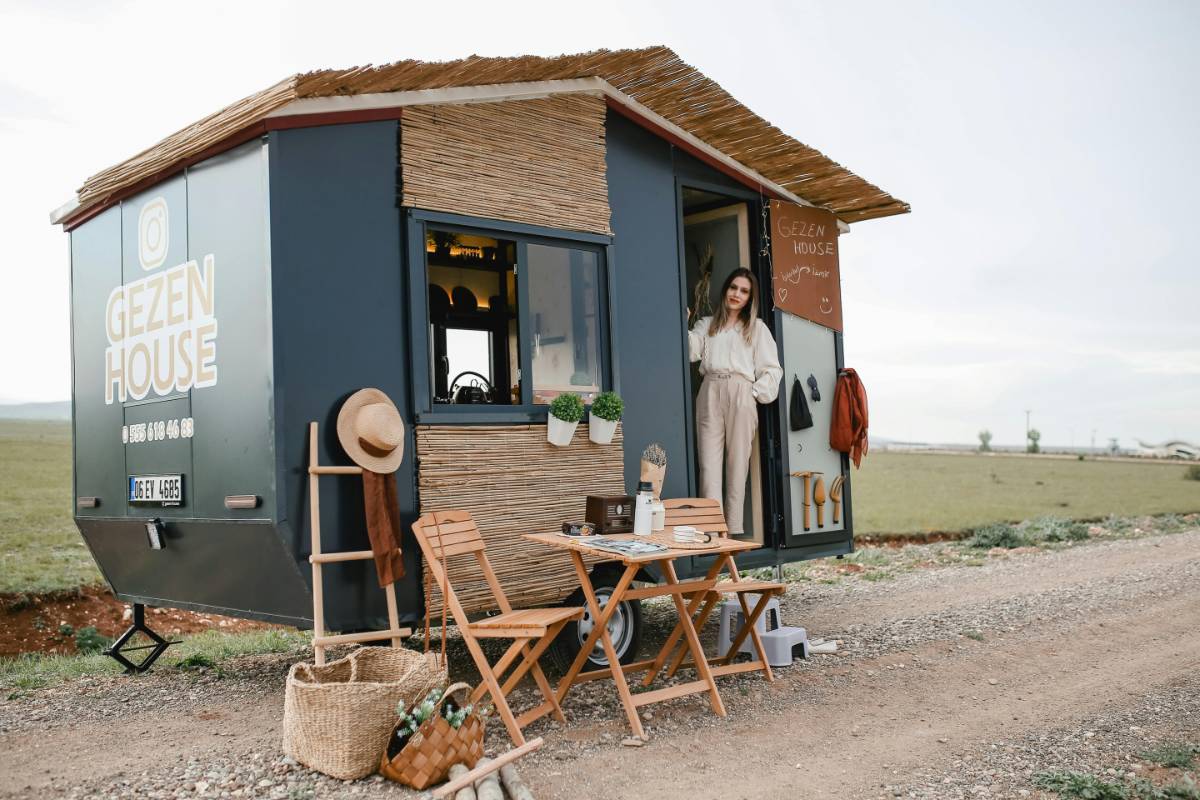
|31 Dec 2025Tiny homes and minimalist living are gaining popularity as people seek sustainable, efficient, and clutter-free lifestyles. These compact living spaces reduce waste, lower carbon footprints, and promote financial freedom.

Benefits of Tiny Homes
Tiny homes consume fewer resources, cost less to maintain, and encourage a simplified way of living with only essential possessions.
Sustainability and Minimalism
Living minimally reduces energy consumption and promotes the use of eco-friendly, recycled, or renewable materials in home construction.
Energy Efficiency in Small Spaces
Tiny homes often incorporate solar panels, rainwater harvesting systems, and composting toilets to maximize sustainability and self-sufficiency.
Financial Freedom and Reduced Costs
Owning a tiny home means lower mortgage payments, reduced utility bills, and less money spent on unnecessary items, leading to greater financial independence.
Challenges of Tiny Living
Limited space, zoning regulations, and downsizing personal belongings can be challenges, but smart design solutions help overcome these hurdles.
Innovative Tiny Home Designs
Architects are creating space-efficient layouts with multifunctional furniture, smart storage, and modular construction to make tiny homes comfortable and stylish.

Conclusion
Tiny homes and minimalist living offer a sustainable way to embrace a more intentional, eco-conscious lifestyle. With the right design and mindset, downsizing can lead to a richer, more fulfilling life.
RECENT POSTS
1
The Best Furniture for Creating a Relaxing Outdoor Space
4 min read | 17 Nov 20252
How to Accessorize Your Kitchen for a Functional and Stylish Space
2 min read | 16 Nov 20253
Tips for Arranging Furniture in Open Floor Plans
5 min read | 15 Nov 20254
How to Incorporate Eco-Friendly Furniture and Accessories
5 min read | 14 Nov 20255
The Best Furniture for Creating a Cozy Reading Area
4 min read | 13 Nov 20256
Accessorizing Your Space with Textiles and Fabrics
2 min read | 12 Nov 2025MORE POSTS
Affordable Home Makeover: Budget-Friendly Decor Tips
3 min read | 01 Jan 2026
Small Budget, Big Impact: Quick Fixes to Refresh Your Home
4 min read | 31 Dec 2025
Decorating a Rental Apartment on a Budget: Tips and Tricks
3 min read | 30 Dec 2025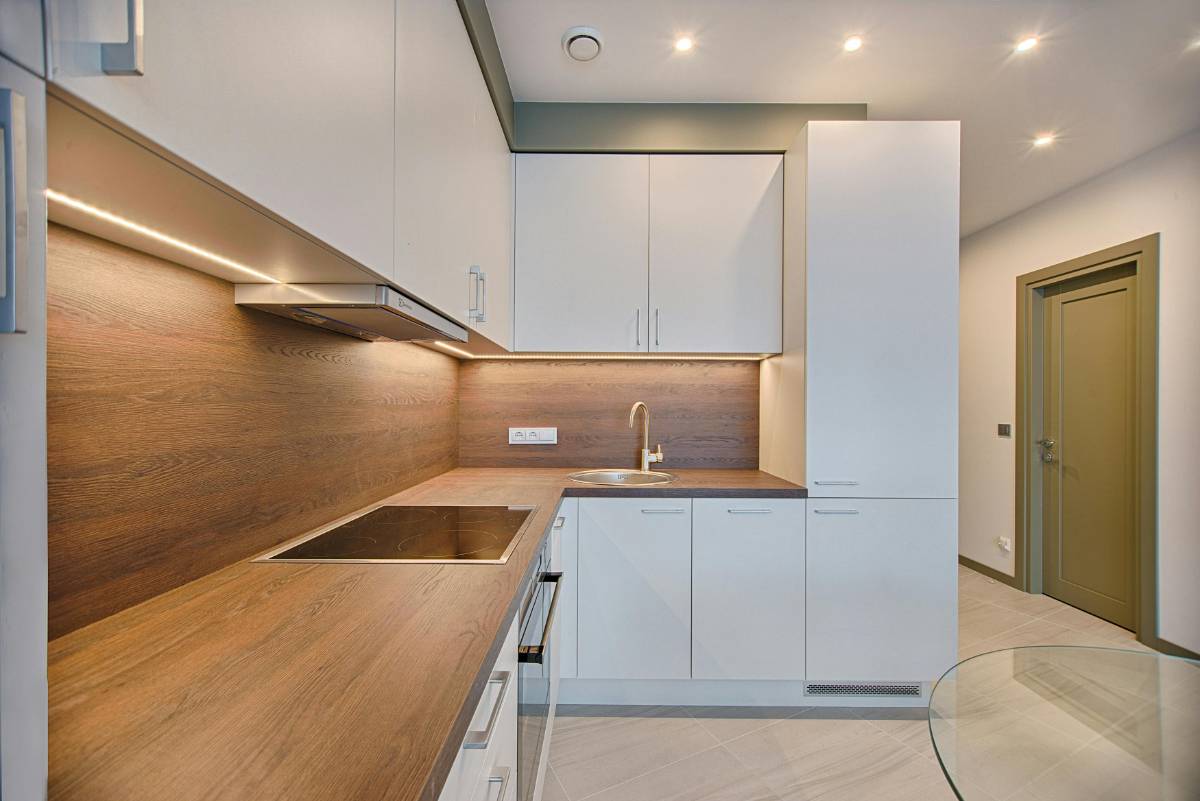
The Best Places to Find Secondhand Furniture and Décor
3 min read | 29 Dec 2025
Creating a Cozy Living Room with Budget Decor Ideas
5 min read | 28 Dec 2025
How to Decorate for the Holidays Without Overspending
3 min read | 27 Dec 2025MORE ARTICLES

2 min read | 20 Sep 2025
The Benefits of Sustainable Landscaping in Urban Areas
Sustainable landscaping is an approach to designing and maintaining urban green spaces that focuses on ecological health, resource conservation, and community well-being. In urban areas, where green spaces are often limited and under pressure, sustainable landscaping offers numerous benefits that enhance both the environment and the quality of life for residents. This article explores the key advantages of sustainable landscaping in urban settings, highlighting its impact on ecological balance, social benefits, and economic value.

4 min read | 29 Sep 2025
The Future of Sustainable Interior Design
Sustainable interior design is rapidly evolving as a crucial aspect of creating environmentally responsible and healthy living spaces. As concerns about climate change, resource depletion, and environmental degradation grow, the future of interior design is increasingly focused on sustainability. This article explores emerging trends, innovations, and practices in sustainable interior design, highlighting how these advancements are shaping the future of our homes and workspaces.
3 min read | 21 Sep 2025
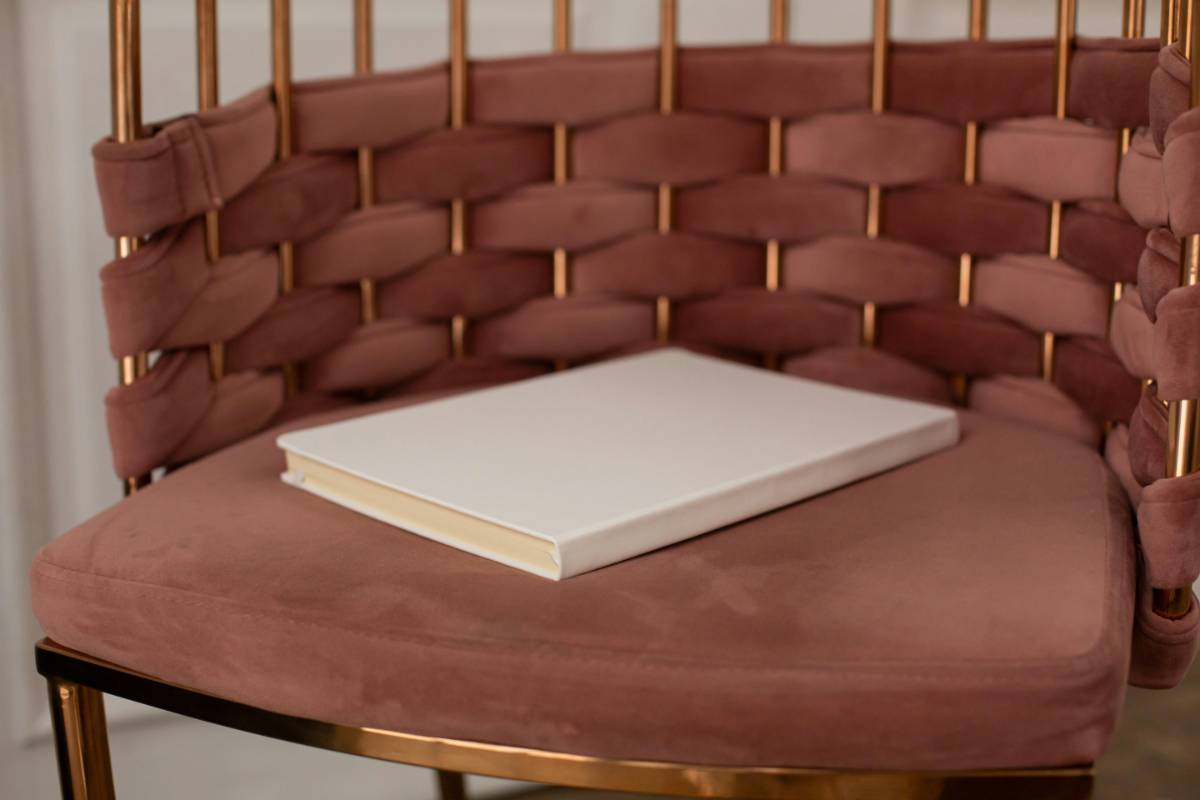
Choosing the Right Furniture for Small Spaces
Furnishing a small space requires thoughtful planning to ensure that every piece of furniture enhances functionality and style without overwhelming the area. By choosing the right furniture, you can maximize your space while creating a comfortable and stylish environment. Here’s how to choose the right furniture for small spaces.

4 min read | 15 Oct 2025
Budget Decor for a Scandinavian-Inspired Home
Creating a Scandinavian-inspired home doesn’t have to be costly. With its emphasis on simplicity, functionality, and minimalism, Scandinavian decor can be achieved on a budget. By focusing on key design elements and making smart choices, you can achieve a stylish and cozy Nordic look without breaking the bank. In this article, we’ll explore budget-friendly decor ideas for a Scandinavian-inspired home.

4 min read | 25 Sep 2025
Stylish Accessories to Elevate Your Home Decor
Accessories play a vital role in transforming your home decor from ordinary to extraordinary. The right accessories can add personality, style, and sophistication to any room. Here are some stylish accessories to elevate your home decor and create a visually appealing space.

3 min read | 16 Sep 2025
Sustainable Design: Balancing Functionality and Eco-Friendliness
Sustainable design is a key approach to creating buildings and products that are both functional and eco-friendly. It emphasizes minimizing environmental impact while ensuring that designs meet the needs and preferences of users. Achieving this balance requires a thoughtful integration of various elements, including materials, energy use, and overall design principles. This article explores how to balance functionality and eco-friendliness in sustainable design, providing insights into effective strategies and innovative solutions.